
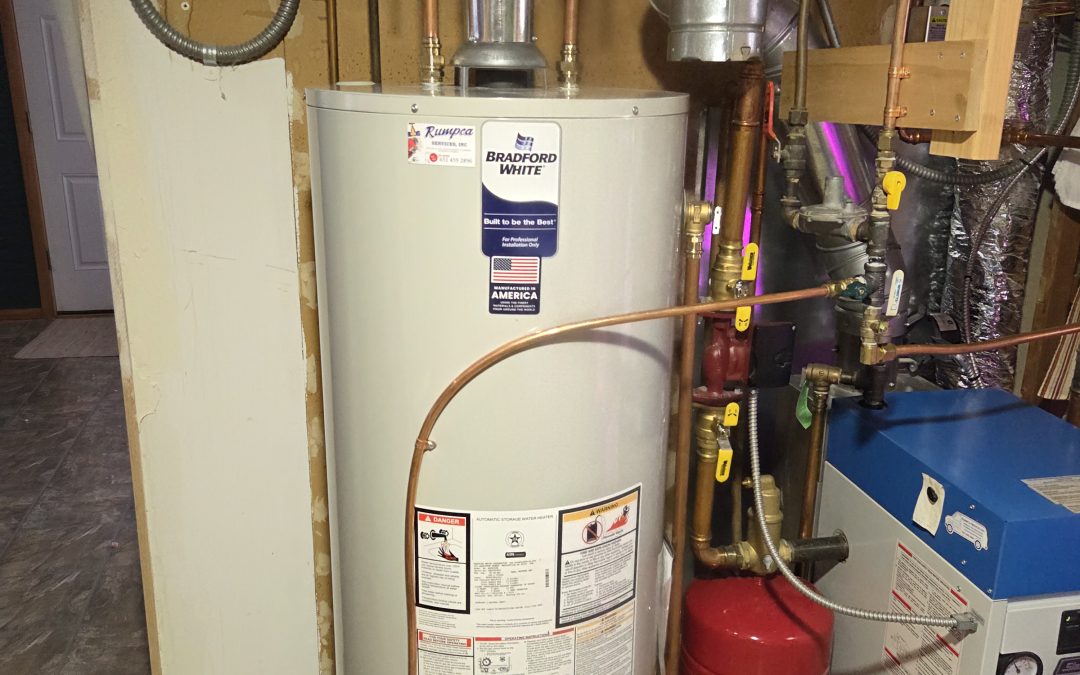
Oh, we planned for it; “Planned” in the sense that we knew the day was coming that our water heater would fail, but not in the sense that we planned to replace a broken water heater on a random Tuesday in April. Still, that’s where I recently found myself after reminding clients numerous times that things past their typical service life fail. When you’ve truly planned for something to be replaced, you have time to gather bids, do your research, compare costs and benefits of every little detail. On the other hand, when a system you rely on fails, you may not have the luxury of time and research. How do you make sure you’re not getting taken advantage of? In this post, I will list the things you can do to put yourself in the best position when it comes time to replace an unexpected item. Because you may be looking at this while solving that exact problem, I will keep it brief and easy to digest.
Things to do and know BEFORE something fails:
- Know the age and lifespan of key systems of your home (see table below).
- Have an idea of the cost for each and budget for replacement
- When possible, find and utilize professionals regularly – It’s a lot easier to make a decision if the service provider isn’t brand new to you.
- Maintain a record of the age of systems in your home.
- Be aware of weird sounds, behaviors, and other strange happenings where appliances are concerned. These are often a sign of something not functioning properly.
| System | Average Lifespan | Replacement Cost* |
|---|---|---|
| Dishwasher | 15 years | $400-1200 |
| Dryer | 10-13 years | $400-1200 |
| Range / Stove | 13-20 years | $600-1500+ |
| Garbage Disposal | 10-12 years | $100-500 |
| Refrigerator | 10-18 years | $500-2000 |
| Washing Machine | 10-14 years | $500-1300+ |
| Fireplace | 10-25 years | $2,300-10,000 |
| Furnace | 15-20 years | $4,000-8,000 |
| Boiler | 15-20 years | $4,000-10,000 |
| Water Heater | 15 Years | $1500-3000 |
*Prices above are as of April 2026 and where installation is mandatory the price of parts and labor is estimated. The numbers provided are not guidelines but general ideas to help build your understanding.
What to do when an appliance/system needs replacement:
If you skipped right to this section, know this: You are not the first person to be in this situation. Before you get to worrying, make sure you’ve made the situation safe.
As soon as you realize/ identify a problem do the following:
- Turn off power to unsafe electronics. Unplug appliances or shut off the master switch / breaker to hardwired pieces.
- Ensure that shut-off valves are closed. This is especially true for gas appliances, but also anything that uses water.
- Clean up a mess. If water is involved, stopping the flow and cleaning up the water ASAP prevent damage to other areas.
- Verify if you have insurance. Many homeowners have repair/replacement programs such as Home Service Plus [Xcel/Centerpointe Customers], Service Choice [MN Energy Resources customers], or in the case of some new homeowners you may have a home warranty plan. Coverage varies greatly but many times an issue can be fixed by one of these or they offer replacement benefits.
Once you’ve made sure everything is safe and there is no further chance of damage, take a moment. Breathe. You will figure this out. With that in mind, you can get to solving the issue.
Beginning the replacement search:

When you have an emergency replacement, it’s important to remember the maxim of Pick Two from the following: Cheap, Fast, Good.
Time is money – if it’s a saturday before a major holiday and you are hosting, you’re probably going to pay a premium to get the issue fixed fast. If you can live with an inconvenience such as cold showers or line drying your clothes for some time, you can save money on the replacement of some items. Here are some things to consider in the process to make the most of your time and money:
- Multiple bids may not be feasible, but if you’ve got the time to collect bids, aim for three.
- Ask people you know if they’ve had a similar replacement recently. Social media can be a good source to check pricing based on other people’s situations.
- Does this item require a permit? Some things like water heaters should be permitted, others may not. This depends on your local authority.
- Ask what is included – depending on what is being replaced, other systems may need to be upgraded according to current municipal codes.
- Get a complete picture of the cost – taxes, delivery, installation etc.
- Consider DIY. While a new water heater installed in our area can range from $2-3K, the most common models cost 700-800 at your local home improvement store. If you replace the same unit, you may be able to complete the work yourself.
- Know what the new product warranty is.
- Check your utility provider for rebates – many gas and electric companies have rebates available for specific models and types of appliances. You can also ask this of any technician doing a bid.
“Pay the man and move on”
A few years back, a client told me their dad gave them the advice of “Sometimes you just gotta pay the man and move on.” The reality of these situations is that you want things back to normal as soon as possible. In those cases it’s important to consider how much you are truly saving. You could wait 3 days to have a new oven installed at a cheaper price, but if it means eating all dinners at a restaurant, the savings may be wiped out.
If you don’t have a technician in mind, I can probably make a good recommendation.